Be Part of the Bicentennial
Two hundred years is a long time to belong to a place. Here is how students, faculty, staff, alumni and neighbours can take part in the University’s Bicentennial.
In the Classroom
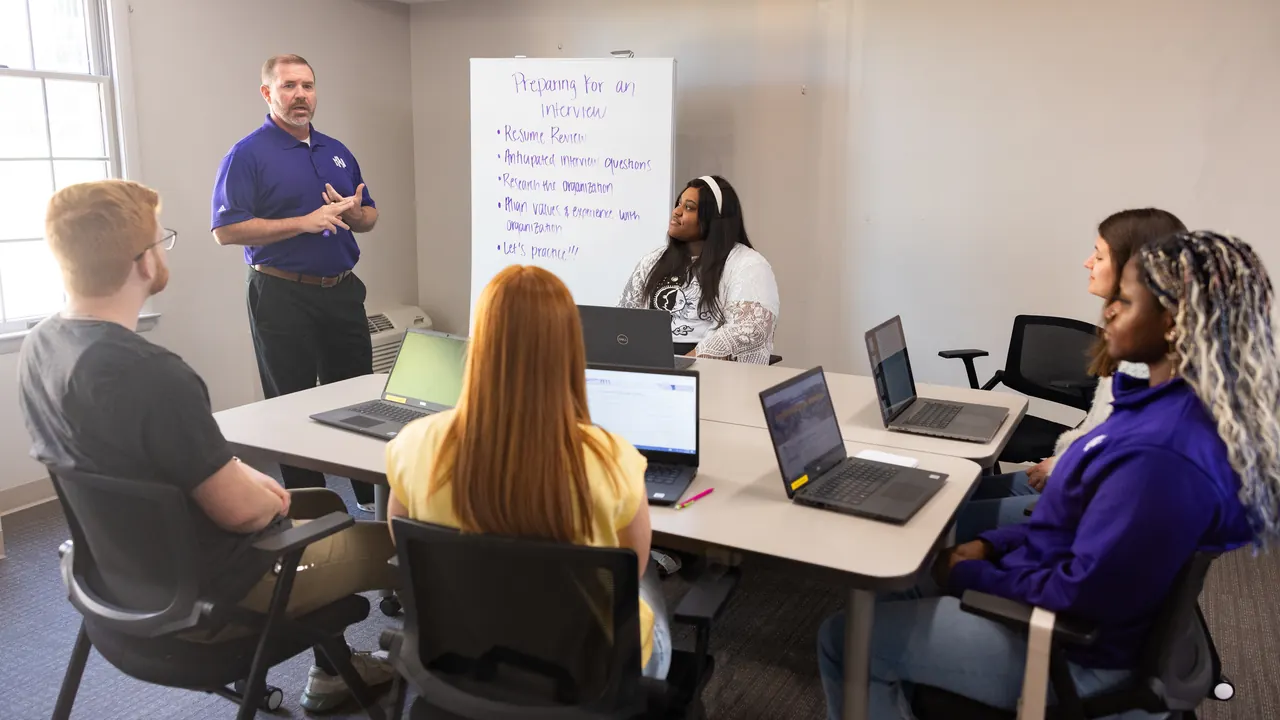
The Bicentennial is part of the First-Year Experience curriculum, so the students arriving now meet the University’s history in their first semester — and graduate in its two-hundredth year.
Faculty and staff who would like to bring Bicentennial material into a course can contact the First-Year Experience office.
First-Year Experience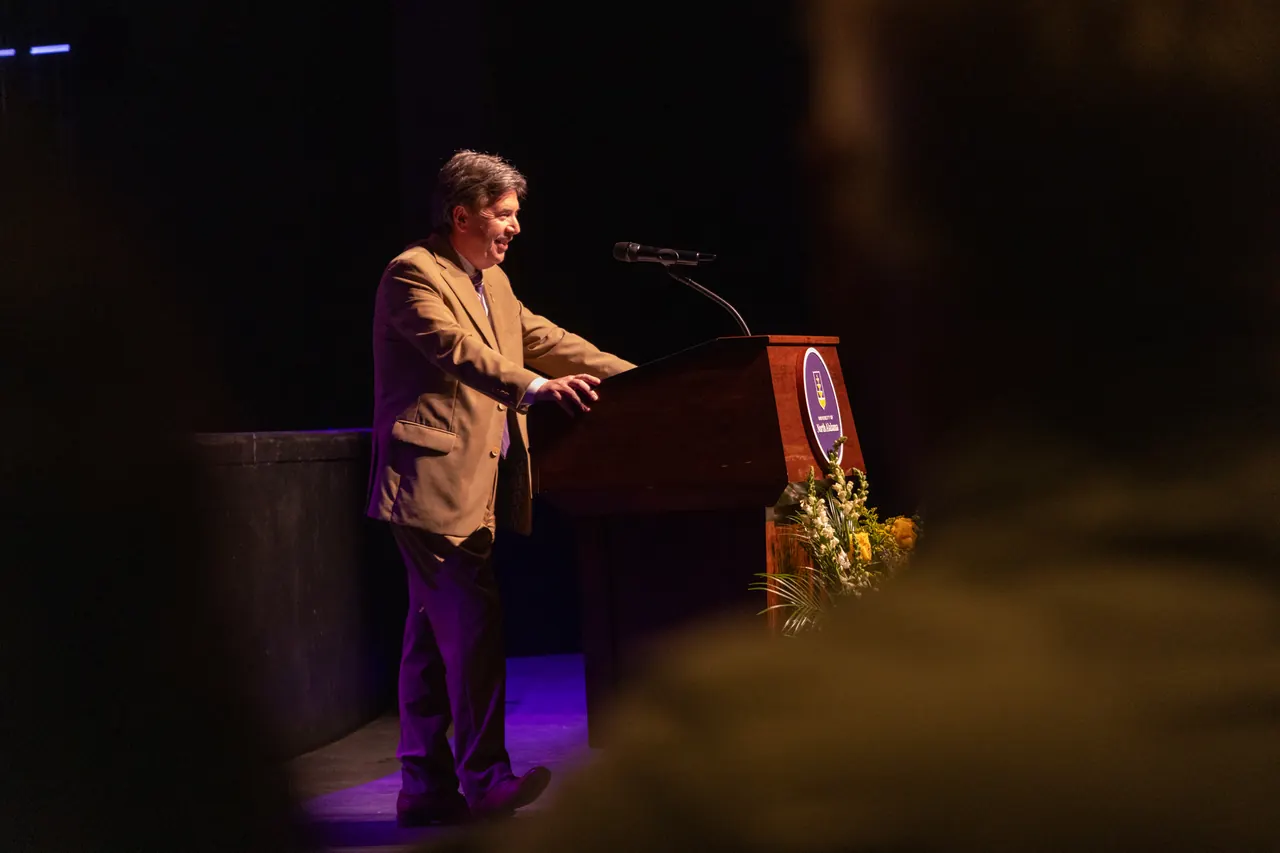
From the President
Each of President Kitts’s communiqués to the University community closes with a Bicentennial Moment — a short piece on the people, places and programs behind the UNA story. They are collected here as they are written.
Honoring UNA’s History April 10, 2026
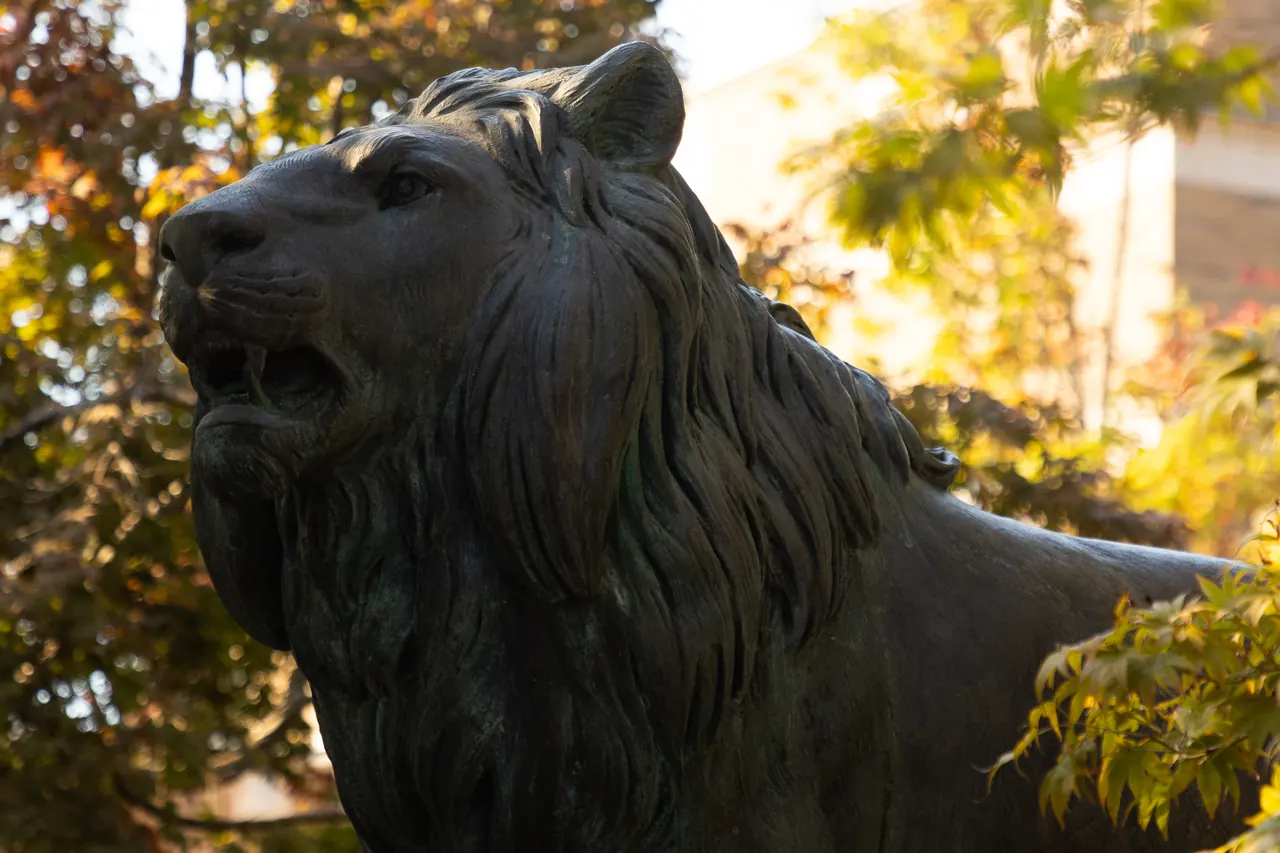
How many times do we walk past this bronze statue adjacent to the Memorial Amphitheater at the center of campus? The statue commemorates First Lieutenant Chadwick McFall Barber, who was killed in action in the Republic of South Vietnam on January 8, 1969, while serving with the U.S. Army’s 1st Cavalry Division. As noted on the accompanying plaque, the memorial was donated by members of the McFall family.
Chad Barber graduated from Coffee High School in Florence, and then went on to attend Florence State University where he majored in history. He earned his degree in 1967 and commissioned as an officer in the Army through our ROTC program. Lt. Barber was one of eleven members of UNA’s Lion Battalion who died in the Vietnam War.
Beginnings September 3, 2026
Most of us are aware that UNA dates its history back to 1830. That’s the year in which LaGrange College, our forebear institution, first opened its doors to students. The college was a creation of the regional conference of the Methodist Episcopal Church. The first discussion among church officials regarding the creation of a college occurred in the fall of 1826 — 200 years ago! Eventually a site was selected on a beautiful mountaintop near the small village of LaGrange, located about three miles south of present-day Leighton in Colbert County.
Church officials were clear that, despite the denominational ties of the college, they wanted a traditional curriculum that would not be “theological” in orientation. The State of Alabama stepped in quickly to add its own endorsement in the form of a state charter for the newly opened LaGrange College.
The college operated at its original site from 1830 to 1855, when a combination of financial pressures and the promise of support from Florence led the LaGrange College Board of Trustees to vote to relocate the institution to our current location, complete with the first of numerous name changes to Florence Wesleyan College. The original buildings that had once comprised LaGrange College were burned by Union forces in 1863. Today the site operates under the supervision of the nonprofit LaGrange Living Historical Association.
Gifts in Kind
Photographs, programmes, letters, pennants, yearbooks — two centuries of UNA are sitting in attics and albums across the Shoals and well beyond it. The University would like to see them.
If you have an object or a photograph from your time at UNA, or from a relative’s, University Advancement can tell you what is involved in donating or lending it to the University’s collection.
Contact Advancement